

Foot Pain No More: Managing Arch Pain through Physical Therapy
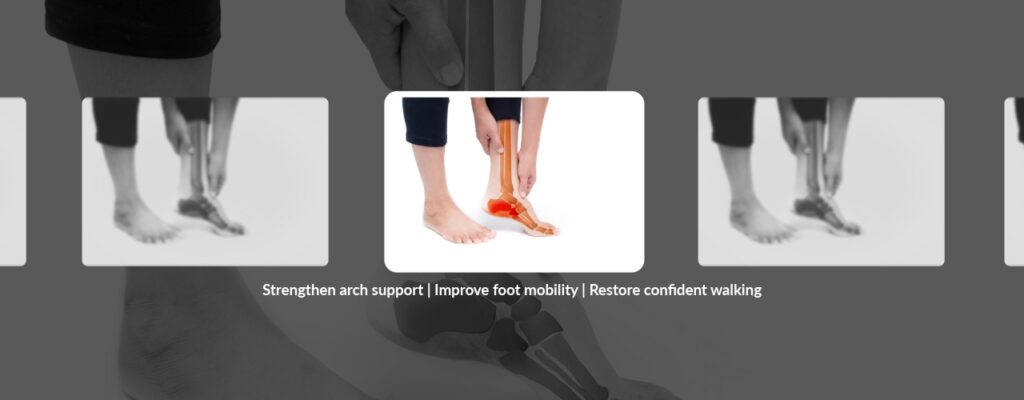
Many people live with foot pain longer than they should because they assume it will eventually go away. One active adult who came to Connections Physical Therapy had been dealing with persistent arch pain that made simple activities harder than they used to be. Walking through the grocery store, standing at work, and even short walks for exercise became uncomfortable. After trying different shoes and limiting activity, the problem still continued. This patient came to physical therapy hoping to understand the cause and find a practical solution. For many people facing similar symptoms, physical therapy for arch pain provides a clear path toward improving movement and daily comfort.
How Connections Physical Therapy Helped One Patient with Foot Pain
Why Arch Pain Was Affecting So Much of Daily Life
The patient described the pain as something that slowly started influencing daily routines. At first, it was only noticeable during longer walks. Over time, it began to affect standing at work and moving around the house. Small adjustments started to happen without much thought. The patient walked a little slower, shifted weight to the other foot, and avoided longer activities.
These changes helped temporarily, but also created new challenges. Reduced activity made the foot feel weaker and more sensitive. It became clear that addressing the underlying problem would require more than simply resting the foot.
What the Evaluation at Connections Physical Therapy Looked For
During the first visit, our therapist focused on understanding how the foot moved and how the rest of the body supported it. Instead of focusing on one spot, the evaluation looked at how the entire movement system worked together.
The assessment included looking for several common factors that can contribute to arch pain:
- Limited mobility in the foot and ankle
- Weakness in the muscles that support the arch
- Changes in walking mechanics
- Reduced control when shifting weight during movement
These findings helped the therapist determine how the patient’s arch was responding to daily activity. Understanding these patterns is an important step in guiding physical therapy for arch pain.
How the Plan of Care Was Designed
Once the evaluation was complete, our therapist worked with the patient to build a plan that matched their daily goals. The patient wanted to move comfortably during normal activities and return to walking for exercise.
The plan focused on improving strength, restoring movement in the foot and ankle, and retraining how the foot supported the body during walking. Our therapist explained how each part of the program supported these goals. This collaborative approach helped the patient feel more confident about the process and understand how physical therapy for arch pain could address the root cause of the problem.
Treatment Highlights That Supported Recovery
The treatment plan included several techniques that worked together to improve how the foot functioned during activity.
- Hands-on physical therapy helped improve mobility in the foot and ankle joints. This allowed the foot to move more freely during walking and reduced unnecessary strain on the arch.
- Strengthening exercises focused on the muscles that support the arch and stabilize the ankle. These muscles play a major role in distributing pressure across the foot.
- Movement training helped the patient adjust walking mechanics so the foot could absorb force more efficiently during daily activity.
Each of these strategies supported the goal of restoring comfortable movement through physical therapy for arch pain.
What Progress Looked Like Over Time
As therapy continued, the patient began noticing gradual improvements. Walking felt smoother and more natural. Standing at work became easier without the need to shift weight constantly. Activities that had once been avoided started to feel manageable again.
The patient also felt more confident in how their foot supported them during movement. Strength improved, mobility increased, and everyday activities required less effort.
These changes reflected the goal of physical therapy for arch pain, which focuses on helping the body move more efficiently rather than simply masking symptoms.
Take the Next Step Toward Relief
If arch pain is making it harder to stay active or enjoy daily routines, a personalized evaluation can help identify what is contributing to the problem. At Connections Physical Therapy, we focus on understanding how your foot moves, how your body supports the arch, and what changes may help you move more comfortably. From there, your therapist explains a treatment plan that fits your goals and daily activities. If you are ready to learn what may be driving your symptoms, contact Connections Physical Therapy to schedule an evaluation and begin a plan designed to help you move with greater confidence.