

Managing Post-Op Swelling Through Physical Therapy Treatment
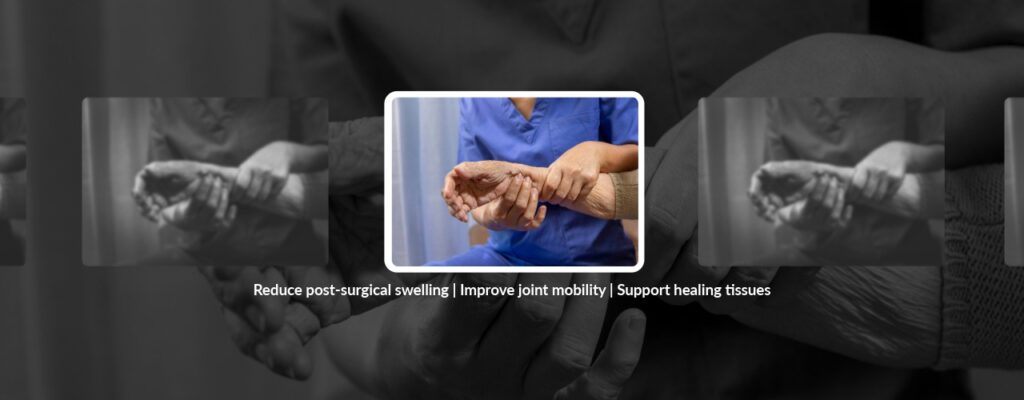
Recovering from orthopedic surgery is a major step toward restoring mobility and reducing pain. However, many of our patients are surprised by how much swelling can occur during the healing process. Understanding how post-op swelling treatment works can help patients recover more comfortably and safely.
Swelling is a natural response after surgery, but if it is not managed properly, it can slow healing, limit movement, and increase discomfort. Through targeted rehabilitation strategies, the team at Connections Physical Therapy provides effective post-surgical swelling management that helps patients regain function while supporting the body’s recovery.
Why Swelling Occurs After Orthopedic Surgery
Swelling is part of the body’s natural healing response. After surgery, the body sends fluid, nutrients, and immune cells to the injured area to begin the repair process. There are several reasons this happens, including:
- Tissue trauma from the procedure, as surgical techniques, even minimally invasive ones, can affect surrounding tissues such as muscles, ligaments, and blood vessels.
- An inflammatory response that occurs as a result of the body increasing blood flow to protect the surgical area and begin rebuilding tissue
- Limited mobility immediately after surgery can slow circulation, allowing fluid to collect in the affected area
- Disruptions to the lymphatic system that interfere with the body’s ability to drain excess fluid efficiently
While swelling is a normal part of healing, excessive swelling can create challenges during recovery. Without proper management, it can lead to stiffness, delayed recovery, and difficulty performing rehabilitation exercises. This is where professional guidance becomes especially important.
Recognizing Symptoms That Signal Swelling Needs Attention
Some swelling is expected after surgery, but certain symptoms may indicate the need for additional care. Watch out for signs such as:
- Persistent tightness around the surgical site
- Difficulty bending or straightening the joint
- Skin that feels warm or stretched
- Increased discomfort when attempting movement
- Swelling that does not improve with rest or elevation
A structured post-op swelling treatment plan can help address these symptoms before they interfere with progress. Our physical therapists monitor swelling closely and adjust treatment plans as healing progresses.
How Physical Therapy Supports Post-Op Swelling Treatment
Physical therapists play a key role in effective post-op swelling treatment by using targeted techniques that encourage circulation, promote fluid movement, and restore safe mobility. At Connections Physical Therapy, our therapists focus on strategies that reduce swelling while protecting the healing tissues.
Our team will work with you to create a personalized care plan that combines several specialized rehabilitation techniques designed to improve circulation and tissue healing.
Physical Therapy Techniques for Post-Op Swelling Treatment
Manual Lymphatic Drainage Techniques
- Gentle hands-on methods that help move excess fluid through the lymphatic system.
Soft Tissue Mobilization
- Therapists address surrounding muscle tightness that can restrict fluid movement.
Progressive Mobility Training
- Gradual increases in movement help restore joint function without overwhelming healing tissues.
Controlled Therapeutic Exercises
- Carefully selected movements help activate muscles, which naturally assist with fluid circulation.
Recovery Education
- Patients receive clear guidance on safe activity levels, home positioning strategies, and symptom monitoring.
How Post-Surgical Rehabilitation Supports Long-Term Recovery
Reducing swelling is only one part of recovery. Proper rehabilitation also focuses on restoring strength, mobility, and confidence in movement to help maximize your surgical outcomes. Some of the long-term goals of physical therapy after surgery include:
- Regain joint mobility and range of motion
- Rebuild muscle strength around the surgical area
- Improve balance and coordination
- Prevent stiffness and scar tissue restrictions
- Safely return to daily activities
A comprehensive rehabilitation plan ensures that swelling management and functional recovery progress together.
Take the Next Step Toward a Comfortable Recovery
Post-surgical swelling can feel discouraging, but the right care can make a significant difference in how smoothly recovery progresses. With guided rehabilitation and evidence-based techniques, physical therapy can help control swelling, improve mobility, and support long-term healing.
If you are preparing for surgery or struggling with swelling during recovery, the team at Connections Physical Therapy is here to help. Contact us today to learn how personalized physical therapy can support your recovery and help you return to the activities you enjoy.