

Addressing Post-Op Joint Stiffness and Loss of Motion
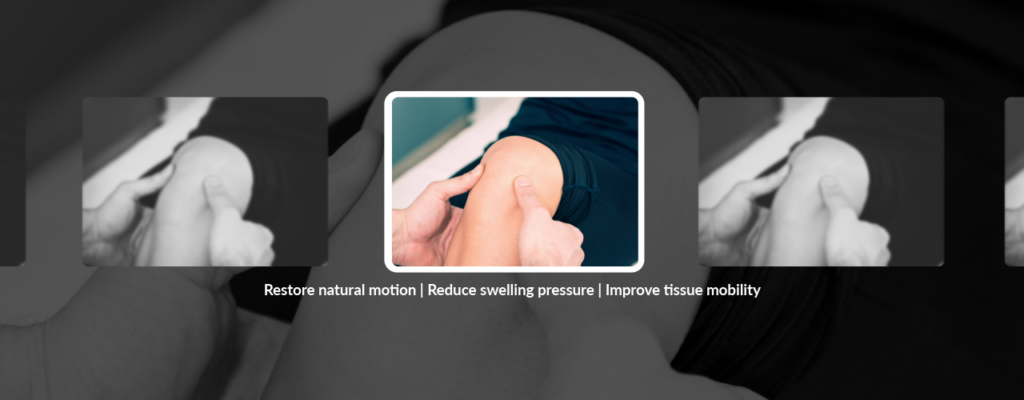
One of the most common hurdles to overcome after surgery is joint stiffness and loss of motion. In our clinic, we see a lot of people who were given instructions on how to address their pain, but too often, they are not told the importance of addressing the post-op joint stiffness effectively.
People are often surprised at how difficult restoring their motion is after surgery and how much it affects basic daily tasks. Whether you had shoulder surgery and can’t reach your head to comb your hair, or had knee surgery and find getting out of the car similar to the effort it would take to carry an elephant!
At Connections Physical Therapy, we will give you the tools you need to restore your motion and deal with the common factors that are contributing to your loss of motion, like swelling, scar tissue formation, and, in some cases, the limitations from the surgeon due to the type of surgery you had. Our team will help you
Why Post-Op Joint Stiffness Happens
Joint stiffness after surgery is extremely common. During the healing process, the body protects the surgical area by tightening surrounding tissues. Swelling increases pressure inside the joint and limits how easily it moves. Scar tissue also begins forming as the body repairs damaged tissue.
While this healing response is normal, it can make the joint feel tight, restricted, and difficult to move. Without proper guidance, that stiffness can linger much longer than expected and make recovery more frustrating than it needs to be.
In addition, there are times when the surgery was more involved than expected, and other times the type of surgery affects the recovery process. In addition, the health of the person having the surgery can also impact the response after the surgery.
How Loss of Motion Affects Everyday Activities
Many people expect soreness after surgery, but they are often surprised by how much post-op joint stiffness interferes with their daily routines. Small movements that were once easy to perform can become challenging, especially in the early stages after surgery.
Patients commonly notice difficulty with activities such as:
- Reaching overhead or behind the back
- Grasping or carrying even light weights
- Bending the knee to sit or stand comfortably
- Walking with a normal stride or climbing stairs
- Getting in and out of a car
These limitations are not simply inconvenient. They can persist and, in some cases, delay your recovery. At Connections Physical Therapy, we address your motion early. Our therapists will show you how to properly restore your motion and address any post-op joint stiffness you are dealing with.
The Role of Swelling and Scar Tissue
Swelling and scar tissue are two major factors that contribute to restricted movement after surgery. Swelling fills the joint space and reduces mobility in the joint itself and the surrounding tissues. Using elevation and compression can help minimize the post-op joint stiffness you feel.
Scar tissue, while necessary for healing, can become dense and restrictive if it forms without consistent and persistent movement. Your therapist will teach you how to effectively manage your scar tissue and give you instructions on exercises to minimize its effect on your recovery.
Why Movement Is So Important
Many patients hesitate to move after surgery because they are worried about causing damage. While protecting the surgical area is important, movement plays a critical role in recovery.
Our physical therapists focus on restoring motion to ensure you have the best possible outcome. We understand that movement is one of the most effective ways to reduce pain, improve swelling, and restore function. Your therapist will guide you through safe and effective exercises for your specific condition. We’ll perform manual techniques and use modalities to help encourage the joint to move without placing excessive stress on healing tissues.
Over time, the movement helps reduce stiffness, improve circulation, and support tissue healing, ensuring your optimal recovery.
How Physical Therapy Helps Restore Motion
Our physical therapists address the root causes of post-op joint stiffness. At Connections Physical Therapy, your therapists will evaluate how your joints move, how the surrounding muscles respond to different movements, and where you may have any restrictions or limitations.
Treatment plans often include a combination of:
- Targeted mobility exercises
- Strengthening to support the joint
- Hands-on techniques to reduce pain and improve tissue mobility
- Gradual progression of functional movements
This approach helps your body regain mobility while following any surgical precautions.
Staying Consistent During Recovery
Restoring motion after surgery takes time and consistency. Progress usually happens in small steps rather than dramatic changes. Patients who stay committed to their rehabilitation program often notice steady improvements in how the joint moves and feels.
As stiffness decreases, everyday activities become less painful, and you’ll notice more confidence in your ability to move more naturally.
Regain Your Motion with Support from Connections Physical Therapy
Recovering from surgery is about more than simply waiting for pain and post-op joint stiffness to disappear. Regaining motion is essential for returning to normal daily activities. At Connections Physical Therapy, our team works closely with each patient to address pain, restore joint mobility, and guide a safe return to movement.
If you are struggling with stiffness after surgery, the right rehabilitation plan can make a meaningful difference in how smoothly your recovery progresses. Call today to get started.