

Enhancing Seniors’ Independence through Occupational Therapy
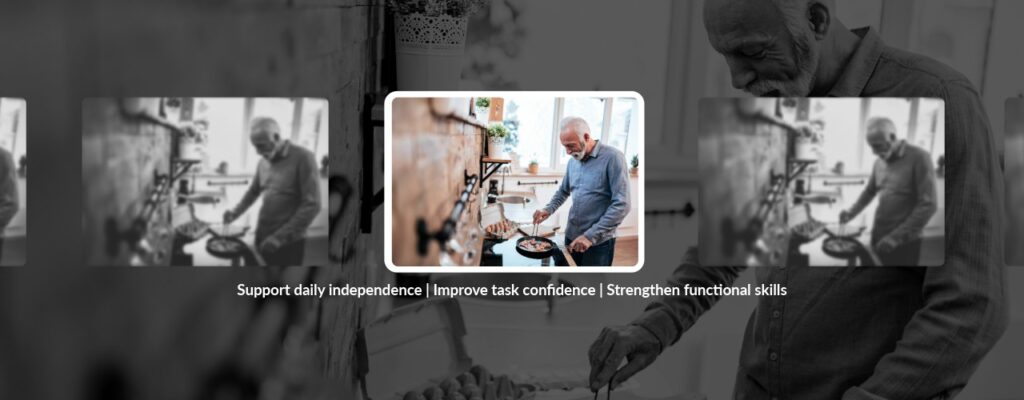
As we age, everyday tasks like dressing, preparing meals, or moving safely around the home can become more challenging. Occupational therapy for seniors helps people maintain or regain the ability to handle these activities with greater ease and confidence. Occupational therapy focuses on practical ways to support daily living, often called “occupations,” so older adults can stay as independent as possible in their own homes or communities. At Connections Physical Therapy, we explain this service in straightforward terms to help you see how it fits real-life needs.
Understanding Occupational Therapy
Occupational therapy is a hands-on, client-centered approach that helps people do the things that matter to them. For older adults, it targets activities of daily living such as bathing, grooming, eating, toileting, and household tasks. Therapists assess how physical changes, cognitive shifts, or environmental factors affect performance, then create strategies to make those tasks safer and more manageable. The focus remains on function, meaning what you notice in your routine, like buttoning a shirt or reaching for items in the kitchen.
Why Challenges to Independence Happen
Aging brings natural changes that can affect how we move, think, and manage routines. Common drivers include reduced strength or coordination from less activity, joint stiffness that makes gripping or reaching harder, mild memory or attention shifts that complicate multi-step tasks like cooking or medication management, or balance issues that increase fall concerns during transfers. Environmental factors, like home layouts with narrow doorways or high shelves, add to the difficulty. These elements combine to make familiar activities feel effortful or risky over time.
What It Feels Like in Daily Life
Many seniors notice subtle shifts first: clothes feel trickier to put on, meal prep takes longer or feels unsteady, or getting in and out of the tub requires extra caution. Tasks once done automatically now demand more concentration or help from others. This can lead to frustration, fatigue from compensating, or hesitation to do things alone. Social activities or hobbies may get sidelined because basic self-care drains energy. The impact shows in reduced confidence and a sense that independence is slipping, even if mobility seems okay overall.
If you’re seeing these changes in yourself or a loved one, contact Connections Physical Therapy to schedule an evaluation and learn how occupational therapy for seniors can help.
What Helps: Practical First Steps and How Care Supports Progress
Start with small adjustments at home: rearrange frequently used items to lower shelves for easier reach, use adaptive tools like reachers or button hooks for dressing, or practice safe transfer techniques with support nearby. These steps reduce strain and build confidence quickly.
Occupational therapy for seniors builds on this foundation. Therapists teach energy conservation methods to pace activities, recommend simple home modifications like grab bars or raised toilet seats, and guide the practice of tasks with adaptive strategies. They also introduce memory aids for routines and balance exercises tied to real-life movements. The approach stays calm and practical, focusing on gradual gains in safety and ease.
What an Evaluation at Connections Physical Therapy Looks For
During the initial visit, one of our therapists will observe how you perform daily tasks, including general patterns like difficulty with fine hand movements for grooming, challenges in sequencing steps for meal preparation, balance concerns during transfers from sitting to standing, or environmental barriers that limit safe access. These findings remain broad and function-focused to shape a plan that aligns with your priorities.
Our therapists use task-specific practice to improve coordination for self-care, introduce adaptive equipment to make activities easier, and teach problem-solving for cognitive demands like managing appointments. Each element connects to functional outcomes: dressing independently, preparing simple meals safely, or navigating the home with less fear.
When to Seek Care
Consider an evaluation at Connections Physical Therapy when daily tasks consistently feel harder, take much longer, or require help you prefer to avoid. Clear decision points include repeated near-misses with falls during routine movements, growing reliance on family for basic self-care, or withdrawal from activities due to frustration or fatigue.
Seek care if sudden changes occur in balance, confusion during familiar routines, unexplained weakness affecting safety, or increasing difficulty with essential tasks like toileting or eating. Early attention helps maintain function and prevent escalation.
Improve Your Independence with Occupational Therapy
Occupational therapy for seniors offers a supportive path to keep meaningful activities part of life. If this resonates with your situation, contact Connections Physical Therapy to schedule an evaluation. Your first visit is relaxed and thorough: we discuss what matters most to you, observe how tasks feel in practice, and outline clear, personalized next steps.
Reach out to Connections Physical Therapy to schedule an evaluation and explore ways to support your independence.